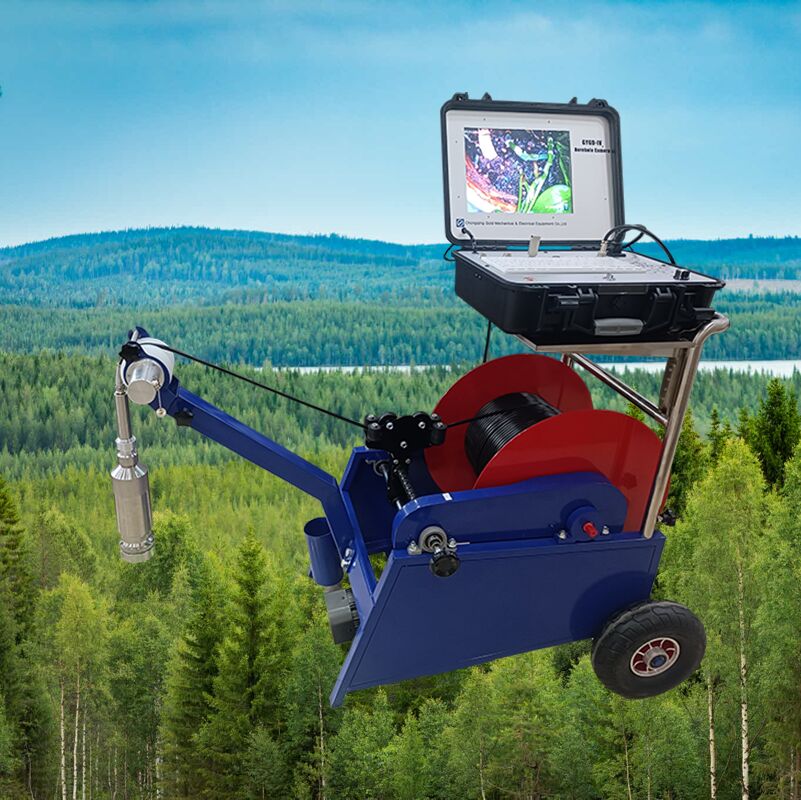
GYGD-IV Câmera rotativa de inspecção de poços: extrair décadas de aprendizagem do seu arquivo de inspecção
Muitas organizações têm anos de vídeos de inspeção de poços armazenados em discos rígidos, mas o conhecimento contido nesses vídeos permaneceEncurralados como imagens não pesquisáveis, não analisáveis.. OGYGD-IV Câmara rotativa de inspecção de poçosInclui ummódulo de exploração de dados históricosque se aplicaVisão por computador e reconhecimento de padrõespara todo o seu arquivo de inspecção, extrairtendências, correlações e sinais preditivosque eram anteriormente invisíveis.Gestores de ativos, engenheiros de confiabilidade e analistas de dados, isto transforma um arquivo passivo num arquivoRepositório ativo de informações.
Extração automática de recursos em milhares de vídeos
O software de desktop GYGD-IV® pode processar em lotes anos de vídeos de inspecção (em formato MP4) de qualquer fonte, não apenas aqueles gravados por câmeras GYGD-IV.rede neural convolucionaltreinados para reconhecer:
-
Fissuras (circumferenciais, longitudinais, ramificadas)
-
Corrosão (pittings, uniforms, fissuras)
-
Escala (carbonato de cálcio, ferro, sílica, sulfato de bário)
-
Biofilme (bactérias ferrosas, formadoras de muco, redutoras de sulfato)
-
Danos mecânicos (buracos, aberrações, deformações)
-
Acúmulo de sedimentos (areia, lodo, cascalho)
Para cada característica detectada, os registos de softwareprofundidade, tamanho, morfologia e pontuação de confiança. A saída é umbase de dados estruturadaligando cada poço, cada data de inspecção e cada característica.
Modelagem de degradação de séries temporais
Uma vez que os recursos são extraídos através de várias inspecções do mesmo poço, o software podecurvas de degradação do ajustePara uma falha que apareça em três inspecções ao longo de cinco anos, o software calcula otaxa de crescimento da fissura(milímetros por ano).taxa de progressão da profundidade do poçoEstes modelos podem prever quando uma característica atingirá umlimiar crítico(por exemplo, comprimento da fenda igual à espessura da parede).recomendação de intervalos de inspecção baseados no riscoRevisar este poço em 18 meses, não em 24, com base na taxa de corrosão observada.
Correlação de padrão através dos poços
O software pode analisar centenas de poços simultaneamente, procurando porcorrelaçõesentre a ocorrência de características e atributos de poços, tais como:
-
Formação geológica(uma determinada formação mostra consistentemente escalação?)
-
Química da água(importados a partir dos resultados de laboratório)
-
Tipo e localização da bomba(uma bomba colocada a uma certa profundidade causa mais erosão relacionada com a turbulência?)
-
Data e método de construção(os poços construídos num determinado ano eram mais propensos a rachaduras?)
Estas correlações geramhipótesesque podem ser testados com inspecções específicas, levando aMelhorias de projeto e alterações operacionais.
Clustering da causa raiz
Para poços que falharam, o software pode analisar os dados de inspeção da última inspeção antes da falha para identificarpadrões de precursoresOs poços falhados mostraram um aumento repentino na densidade de rachaduras seis meses antes do colapso?agrupamento sem supervisãoA redução do risco de falhasbiblioteca de assinatura de falhaAs inspecções futuras podem ser automaticamente comparadas com esta biblioteca e os poços que apresentem uma assinatura de falha podem ser sinalizados para intervenção imediata.

Tabela: Especificações de mineração de dados


 Por favor verifique seu email!