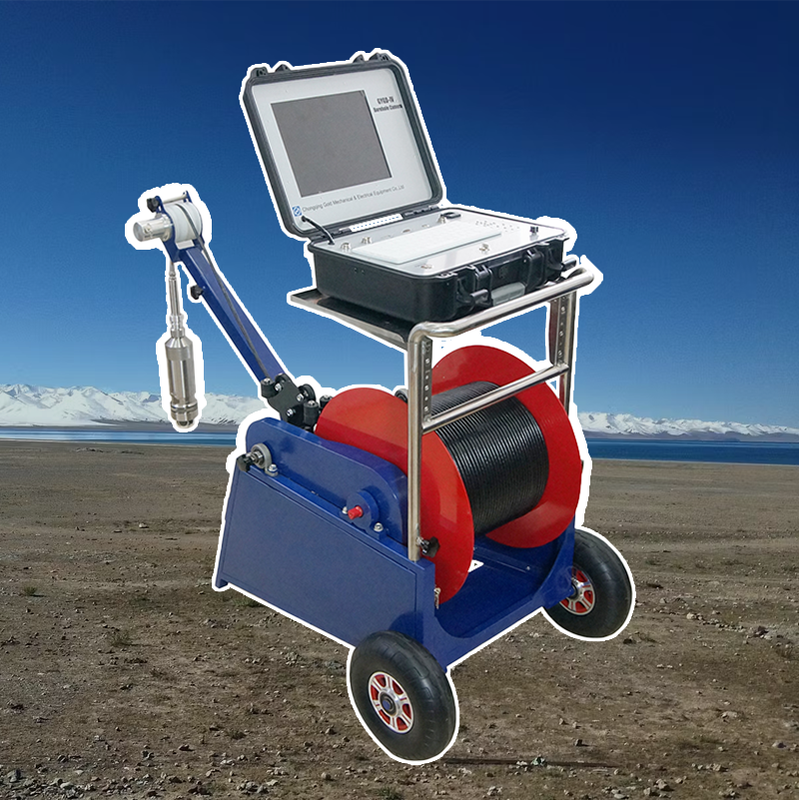
GYGD-IV Rotary Borehole Inspection Camera: Menjelajahi Sejarah Bawah Tanah Tanpa Mengganggu
Arkeolog dan pengelola warisan budaya seringkali perlu melihat ke dalam sumur kuno, cistern, ruang pemakaman, dan sistem terowongan tanpa menggali atau merusak struktur rapuh.GYGD-IV Kamera Inspeksi Lubang Rotasiadalahalat investigasi non-invasifyang memberikanakses visual dengan fidelitas tinggiuntuk menjelajahi warisan budaya di bawah permukaan, menangkap rincian teknik konstruksi, tanda alat, prasasti, dan lokasi artefak tanpa gangguan fisik.arkeolog, petugas pelestarian sejarah, dan manajer sumber daya budaya, kamera ini membuka jendela ke masa lalu yang tetap benar-benar tidak terganggu.
Pengembangan Ultra-Lemes dengan Gangguan Permukaan Minimal
The GYGD-IVsprobe berdiameter kecil(75 milimeter) dapat masuk ke lubang yang sudah ada ̇ selubung sumur tua, sumur ventilasi, atau bahkan retakan di batu ̇ tanpa memerlukan penggalian atau modifikasi dari kain historis.kerucut hidung lunakdanRol sentralisirterbuat dari poliuretan non abrasif mencegah goresan atau pecah dari batu atau plester kuno.kabeldibalut dalamkain tenun lunak(opsional) untuk menghindari permukaan yang bersentuhan.orang tunggaldari permukaan, meninggalkan tidak ada jejak dari penyelidikan.
Dokumen Resolusi Tinggi untuk Publikasi dan Pelestarian
The GYGD-IVsgambar tetap dua belas megapixelCatch detail seperti tanda-tanda cincang, komposisi mortir, noda tingkat air, dan bahkan prasasti samar.sensor berwarna kalibrasimemastikan reproduksi yang akurat dari pigmen dan patina.Rotasi 360 derajatmemungkinkan dokumentasi lengkap ruang silinder seperti sumur dan tangki, menghasilkangambar panorama terus menerusGambar-gambar ini cocok untukpublikasi peer-reviewed, pameran museum, dan perencanaan konservasi.
Tampilan jarak jauh untuk konsultasi ahli tanpa akses situs
Banyak situs arkeologi berada di daerah terpencil atau sensitif secara politik, atau terlalu rapuh untuk memungkinkan beberapa peneliti di lokasi.kemampuan streaming langsungmemungkinkan seorang arkeolog memimpin untuk melihat inspeksi dari mana saja di dunia, membimbing operator lokal ke daerah yang menarik.fitur anotasimemungkinkan ahli jarak jauh tanda fitur untuk studi selanjutnya.konsultasi jarak jauhmengurangi kebutuhan untuk bepergian, melestarikan situs rapuh, dan mempercepat analisis.
Rekaman Konteks dengan Data Spasial
The GYGD-IVsDeep Encodermemberikan posisi vertikal yang tepat, penting untuk membuatlog stratigraphic.pilihan inclinometermengukur kemiringan probe, memungkinkan koreksi untuk sumur off-vertikal.Penerima GPSSemua data dapat diekspor keGIS (sistem informasi geografis)danPerangkat lunak pemodelan 3D(seperti Agisoft Metashape atau RealityCapture) untuk membuatkembar digitaldari fitur warisan bawah tanah.
Studi Kasus: Dokumen Sumur Zaman Romawi
Sebuah tim arkeolog menggunakan GYGD-IV untuk mendokumentasikan sumur Romawi setinggi dua belas meter di daerah yang dilindungi di mana penggalian dilarang.batang kayu yang sangat terawat,Tanda alat yang konsisten dengan pickaxes Romawi, dan di bagian bawah, aKapal keramik yang rusak(mungkin toples air yang jatuh). gambar resolusi tinggi memungkinkan tim untuk menerbitkan makalah tentang teknik konstruksi sumur Romawi tanpa pernah menghapus artefak tunggal.

Tabel: Spesifikasi Arkeologi


 Pesan Anda harus antara 20-3.000 karakter!