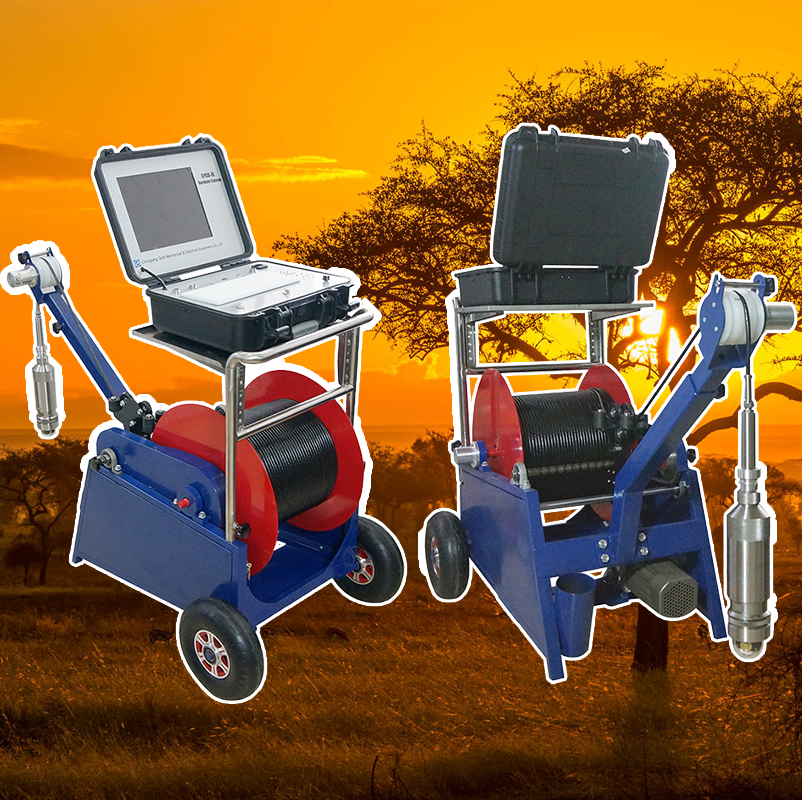
กล้องตรวจสอบรูหมุน GYGD-IV: การกําหนดปริมาณความรับผิดชอบภายใต้พื้นผิวสําหรับการตั้งค่าเบี้ยและป้องกันการสูญเสีย
ผู้ประกันภัยความเสี่ยงด้านพลังงาน น้ํา และการทําเหมืองแร่ ต้องการมากกว่าประวัติความเสียหายหลักฐานโดยตรงเกี่ยวกับสภาพสินทรัพย์การประเมินราคาค่าธรรมเนียมอย่างแม่นยํา และแนะนํามาตรการควบคุมการสูญเสียกล้องตรวจสอบรูหมุน GYGD-IVให้ข้อมูลสภาพที่เป็นเป้าหมาย, สามารถซ้ําได้ และสามารถตรวจสอบได้ที่เปลี่ยนการลงทุนจากการเดาไปเป็นการจําลองความเสี่ยงนักประเมินสินทรัพย์และอุบัติเหตุ, วิศวกรความเสี่ยง และผู้เชี่ยวชาญด้านการควบคุมความสูญเสียกล้องนี้เป็นเครื่องมือปริมาณสินค้า.
การให้คะแนนความเสี่ยงตามสภาพ
ซอฟต์แวร์ของ GYGD-IV มีโมดูลการลงทุนที่เปลี่ยนการสังเกตเห็นเป็นคะแนนความเสี่ยงจํานวนจากศูนย์ (ความเสี่ยงขั้นต่ํา) ถึงร้อย (ความล้มเหลวที่ใกล้จะเกิดขึ้น)อัลกอริทึมพิเศษที่ให้ความสําคัญกับปัจจัย:
-
ความหนาแน่นของรอยแตกและความยาวสูงสุด(สูงกว่าสําหรับวัสดุที่แตกง่าย)
-
ความลึกของหลุมคอรอเรชั่นและการจัดกลุ่ม(สูงกว่าสําหรับการเจาะที่ทํางาน)
-
ความหนาและความครอบคลุมของกระเป๋า(ความเสี่ยงกลางในการลดการไหลของน้ํา)
-
พื้นที่เปิดจอที่เหลือ(ความเสี่ยงสูงสําหรับการผลิตทราย)
-
อุปกรณ์ประกอบการ(ความเสี่ยงสูงในการล่มสลาย)
-
หลักฐานเกี่ยวกับการซ่อมแซมที่ผ่านมา(ขึ้นอยู่กับคุณภาพการซ่อม)
อัลกอริทึมคือปรับขนาดกับฐานข้อมูลความผิดพลาดในประวัติศาสตร์และสามารถปรับเปลี่ยนได้สําหรับประเภททรัพย์สินเฉพาะเจาะจง (บ่อน้ําน้ํา, บ่อนน้ํามัน, ถังหินหินหินภูมิอากาศ, รากฐาน)เมทริกที่สม่ําเสมอสําหรับการเปรียบเทียบความเสี่ยงระหว่างผู้ประกันตนต่าง ๆ
การประเมินค่าอนุรักษ์สําหรับความสูญเสียที่เป็นไปได้
สําหรับบ่อน้ําที่มีความเสี่ยงปานกลาง GYGD-IV สามารถประเมินราคาที่น่าจะเป็นของการล้มเหลวโดยพิจารณาจากรูปแบบการผิดพลาดเฉพาะที่แสดงโดยการตรวจสอบ การแตกที่มีการขยายตัวอย่างมีประสิทธิภาพชี้ให้เห็นถึงความล้มเหลวที่เป็นไปได้ ระบบประเมินค่าใช้จ่ายในการประมงซอนด์ที่ติดการถอนกระเป๋าที่เสียหายและการเจาะใหม่ สกรีนที่มีพื้นที่เปิดที่เหลือร้อยละสี่สิบ แต่การปรับขนาดที่ทํางานชี้ให้เห็นว่าผลผลิตลดลงอย่างช้า ๆระบบประเมินค่าใช้จ่ายของการทําความสะอาดทางเคมีบวกกับการสูญเสียผลิตในช่วงเวลาหยุดทํางาน. เหล่านี้การประเมินการสูญเสียที่ปรับการเสี่ยงช่วยให้ผู้รับประกันเงินจัดเก็บเงินสํารองที่เหมาะสม
แนะนําในการป้องกันการสูญเสีย
โมดูลการลงทุนของ GYGD-IVกิจการป้องกันการสูญเสียที่ได้รับความสําคัญสําหรับบ่อน้ําที่มีความหนาแน่นของรอยแตกสูง แนะนําคือ ใส่พลาสต์ภายใน 90 วันสําหรับบ่อน้ําที่มีการปรับขนาดอย่างรุนแรง, งางกําหนดการทําความสะอาดทางกลภายใน 60 วัน.✅ ผู้รับประกันภัยสามารถทําให้การครอบคลุมขึ้นอยู่กับการดําเนินการเหล่านี้, สร้างวงจรผลตอบสนองบวกการลดความเสี่ยง
การเปรียบเทียบประวัติศาสตร์กับทรัพย์สิน
เมื่อ GYGD-IV ถูกใช้ในหลายหลุมในพอร์ตฟอยล์ของผู้ประกันภัยการเปรียบเทียบแต่ละหลุมกับสัดส่วนเฉลี่ยของพนันสกอร์ความเสี่ยง 75 เมื่อสัดส่วนสกัดโป๊ตฟอลเล่ย์คือ 45ระดับอันตรายสูงค่าธรรมเนียมที่คุ้มค่าสูงขึ้น หรือต้องได้รับความสนใจทันทีลดราคาเรือ. การดูโปตfolio นี้รองรับกฎหมายการลงทุนระดับบัญชี.
การแบ่งปันข้อมูลจากผู้บริโภคบริษัทที่บริโภคบริโภคบริษัทที่บริโภคบริโภคบริโภคบริโภคบริโภคบริโภค
สําหรับความเสี่ยงขนาดใหญ่ที่ต้องการการประกันย้อนหลังปลอมตัวและรวมสําหรับการแบ่งปันกับผู้ประกันภัยใบรับรองความเหมาะสมระบุว่าการรวบรวมข้อมูลได้ปฏิบัติตามโปรโตคอลมาตรฐาน (บทบันทึกการตรวจสอบที่สร้างขึ้นใน GYGD-IV) ผู้ประกันภัยสามารถใช้ข้อมูลนี้เพื่อปรับขนาดรูปแบบการตั้งราคาของตัวเองมั่นใจในความสม่ําเสมอและความน่าเชื่อถือ.

ตาราง: รายละเอียดการลงทุน


 ข้อความของคุณจะต้องอยู่ระหว่าง 20-3,000 ตัวอักษร!