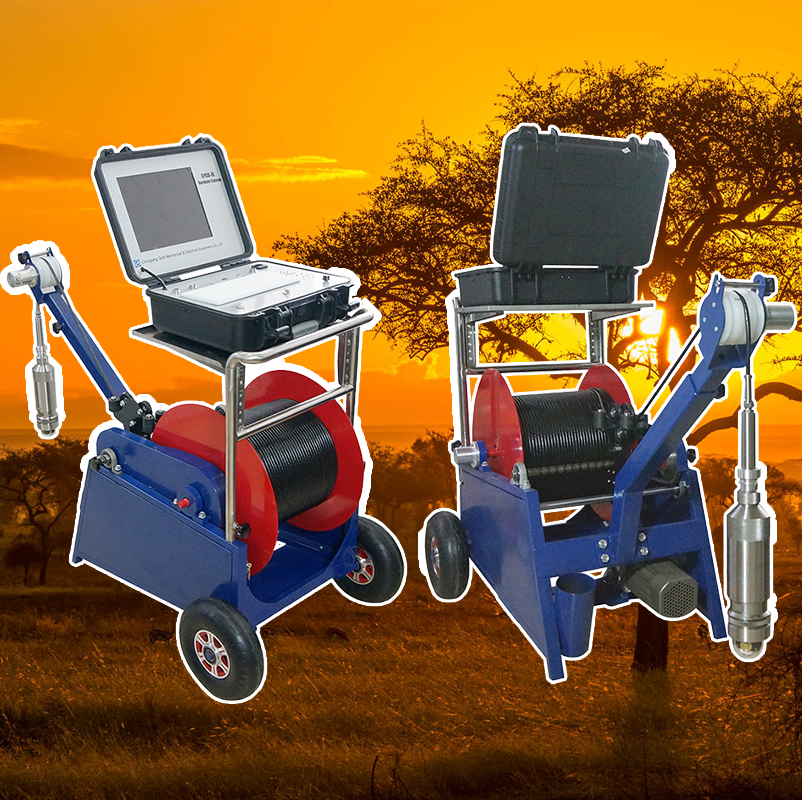
Kamera Inspeksi Lubang Bor Putar GYGD-IV: Mengukur Kewajiban Bawah Permukaan untuk Pengaturan Premium dan Pencegahan Kerugian
Penjamin emisi asuransi untuk risiko energi, air, dan pertambangan memerlukan lebih dari sekadar riwayat klaim. Mereka membutuhkanbukti langsung kondisi asetuntuk menentukan harga premi secara akurat dan merekomendasikan tindakan pengendalian kerugian. ItuKamera Inspeksi Lubang Bor Putar GYGD-IVmenyediakandata kondisi yang objektif, dapat diulang, dan dapat diaudityang mengubah penjaminan dari dugaan menjadi pemodelan risiko. Untukaktuaris properti dan korban, insinyur risiko, dan spesialis pengendalian kerugian, kamera ini adalah aalat kuantifikasi kewajiban.
Penilaian Risiko Berbasis Kondisi
Perangkat lunak GYGD-IV mencakupmodul penjaminanyang mengubah observasi visual menjadi askor risiko numerikdalam skala dari nol (risiko minimal) hingga seratus (kegagalan segera terjadi). Skor dihitung menggunakan aalgoritma kepemilikanyang memberi bobot pada faktor:
-
Kepadatan retak dan panjang maksimum(lebih tinggi untuk bahan rapuh)
-
Kedalaman dan pengelompokan lubang korosi(lebih tinggi untuk pitting aktif)
-
Ketebalan dan cakupan skala(risiko sedang untuk pengurangan aliran air)
-
Area terbuka layar tersisa(risiko tinggi untuk produksi pasir)
-
Ovalitas casing atau kedalaman penyok(risiko tinggi untuk runtuh)
-
Bukti perbaikan sebelumnya(tergantung pada kualitas perbaikan)
Algoritmanya adalahdikalibrasi terhadap database kegagalan historisdan dapat disesuaikan untuk jenis aset tertentu (sumur air, sumur minyak, lubang bor panas bumi, tiang pondasi). Skor risiko memberikan penjamin emisi ametrik yang konsistenuntuk membandingkan risiko di berbagai tertanggung.
Estimasi Cadangan Potensi Kerugian
Untuk sumur yang menunjukkan risiko sedang, GYGD-IV dapat memperkirakan risikonyakemungkinan biaya kegagalanberdasarkan mode kegagalan spesifik yang ditunjukkan oleh inspeksi. Retakan dengan perambatan aktif menunjukkan potensi keruntuhan; sistem memperkirakan biaya untuk menangkap probe yang macet, melepas casing yang rusak, dan melakukan pengeboran ulang. Layar dengan empat puluh persen area terbuka tersisa namun penskalaan aktif menunjukkan penurunan hasil secara bertahap; sistem memperkirakan biaya pembersihan bahan kimia ditambah produksi yang hilang selama waktu henti. Iniperkiraan kerugian yang disesuaikan dengan risikomembantu penjamin emisi menetapkan cadangan yang memadai.
Rekomendasi Pencegahan Kerugian
Modul penjaminan emisi GYGD-IV menghasilkantindakan pencegahan kerugian yang spesifik dan diprioritaskanyang dapat diambil oleh tertanggung untuk mengurangi risiko dan berpotensi menurunkan premi. Untuk sumur dengan kepadatan retak yang tinggi, rekomendasinya mungkin adalah “memasang patch casing dalam waktu sembilan puluh hari.” Untuk sumur yang keraknya parah, “jadwalkan pembersihan mekanis dalam waktu enam puluh hari”. Untuk sumur dengan lubang korosi tahap awal, “pasang proteksi katodik dan periksa kembali dalam dua belas bulan.” Penjamin emisi dapat membuat pertanggungan bergantung pada penyelesaian tindakan ini, sehingga menciptakan aputaran umpan balik positifpengurangan risiko.
Tolok Ukur Historis Terhadap Portofolio
Ketika GYGD-IV digunakan di beberapa sumur dalam portofolio tertanggung, perangkat lunaknya bisatolok ukur masing-masing sumur terhadap rata-rata portofolio. Sebuah sumur dengan skor risiko tujuh puluh lima ketika rata-rata portofolionya adalah empat puluh lima jelas merupakan aoutlier berisiko tinggilayak mendapatkan premi yang lebih tinggi atau perhatian segera. Sebaliknya, portofolio dengan skor risiko rendah secara konsisten mungkin memenuhi syaratdiskon armada. Tampilan portofolio ini mendukungkeputusan penjaminan tingkat akun.
Pembagian Data Pury Ketiga untuk Reasuransi
Untuk risiko besar yang memerlukan reasuransi, data GYGD-IV bisadianonimkan dan diagregasiuntuk berbagi dengan perusahaan reasuransi. Modul penjaminan menyediakan asertifikat kepatuhanmenyatakan bahwa pengumpulan data mengikuti protokol standar (skrip inspeksi bawaan GYGD-IV). Perusahaan reasuransi dapat menggunakan data ini untuk mengkalibrasi model penetapan harga mereka sendiri, dengan yakin akan konsistensi dan keandalannya.

Tabel: Spesifikasi Penjaminan


 Pesan Anda harus antara 20-3.000 karakter!