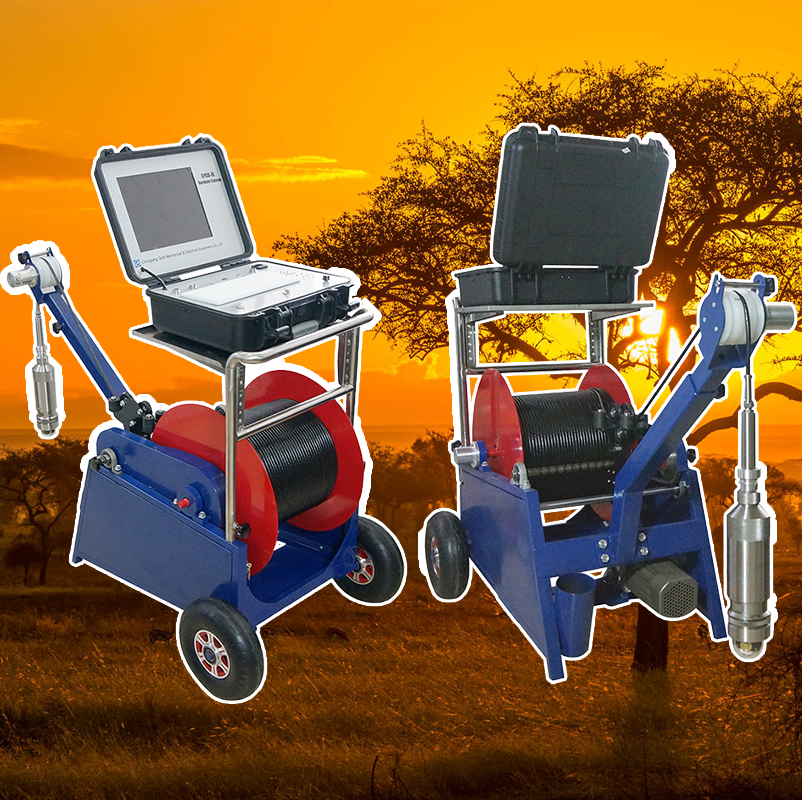
Cámara rotativa de inspección de pozos GYGD-IV: cuantificación de la responsabilidad del subsuelo para el establecimiento de primas y la prevención de pérdidas
Los aseguradores de riesgos de energía, agua y minería necesitan más que un historial de reclamaciones. ellos necesitanevidencia directa de la condición del activofijar precios precisos de las primas y recomendar medidas de control de pérdidas. ElCámara de inspección de pozos giratoria GYGD-IVproporcionadatos de condición objetivos, repetibles y auditablesque transforma la suscripción de conjeturas a modelos de riesgo. Paraactuarios de propiedad y accidentes, ingenieros de riesgos y especialistas en control de pérdidas, esta cámara es unaherramienta de cuantificación de pasivos.
Puntuación de riesgo basada en la condición
El software del GYGD-IV incluye unmódulo de suscripciónque convierte las observaciones visuales enpuntuación de riesgo numéricoen una escala de cero (riesgo mínimo) a cien (fallo inminente). La puntuación se calcula utilizando unalgoritmo propietarioque pondera los factores:
-
Densidad de grietas y longitud máxima.(mayor para materiales frágiles)
-
Profundidad del pozo de corrosión y agrupamiento.(más alto para picaduras activas)
-
Espesor y cobertura de escala.(riesgo medio de reducción del flujo de agua)
-
Área abierta de la pantalla restante(alto riesgo para la producción de arena)
-
Ovalidad de la carcasa o profundidad de la abolladura(alto riesgo de colapso)
-
Evidencia de reparaciones anteriores.(depende de la calidad de la reparación)
El algoritmo escalibrado contra bases de datos de fallas históricasy se puede personalizar para tipos de activos específicos (pozo de agua, pozo de petróleo, pozo geotérmico, pilote de cimentación). La puntuación de riesgo proporciona a los suscriptores unamétrica consistentepara comparar riesgos entre diferentes asegurados.
Estimación de reservas para pérdidas potenciales
Para un pozo que muestra un riesgo moderado, el GYGD-IV puede estimar elcosto probable del fracasobasado en el modo de falla específico indicado por la inspección. Una grieta con propagación activa sugiere un colapso potencial; el sistema estima el costo de pescar la sonda atascada, retirar la carcasa dañada y volver a perforar. Una pantalla con un cuarenta por ciento de área abierta restante pero con escalado activo sugiere una disminución gradual del rendimiento; el sistema estima el costo de la limpieza química más la pérdida de producción durante el tiempo de inactividad. Estosestimaciones de pérdidas ajustadas al riesgoayudar a los aseguradores a establecer reservas adecuadas.
Recomendaciones de prevención de pérdidas
El módulo de suscripción del GYGD-IV generaacciones específicas y priorizadas de prevención de pérdidasque el asegurado puede tomar para reducir el riesgo y potencialmente reducir las primas. Para un pozo con alta densidad de grietas, la recomendación podría ser “instalar un parche de revestimiento dentro de los noventa días”. Para un pozo con incrustaciones severas, “programe la limpieza mecánica dentro de los sesenta días”. Para un pozo con picaduras de corrosión en etapa temprana, "instale protección catódica y vuelva a inspeccionar en doce meses". Los aseguradores pueden condicionar la cobertura a la realización de estas acciones, creando unbucle de retroalimentación positivade reducción de riesgos.
Comparación histórica con la cartera
Cuando el GYGD-IV se utiliza en varios pozos de la cartera de un asegurado, el software puedecomparar cada pozo con el promedio de la cartera. Un pozo con una puntuación de riesgo de setenta y cinco cuando el promedio de la cartera es de cuarenta y cinco es claramente unvalor atípico de alto riesgoque merecen una prima más alta o atención inmediata. Por el contrario, una cartera con puntuaciones de riesgo consistentemente bajas puede calificar paradescuentos de flota. Esta vista de cartera admitedecisiones de suscripción a nivel de cuenta.
Intercambio de datos de terceros para reaseguros
Para grandes riesgos que requieren reaseguro, los datos del GYGD-IV pueden seranonimizado y agregadopara compartir con reaseguradores. El módulo de suscripción proporciona unacertificado de cumplimientoindicando que la recopilación de datos siguió protocolos estandarizados (el guión de inspección incorporado del GYGD-IV). Las reaseguradoras pueden utilizar estos datos para calibrar sus propios modelos de fijación de precios, confiando en su coherencia y confiabilidad.

Tabla: Especificaciones de suscripción


 ¡Su mensaje debe tener entre 20 y 3.000 caracteres!