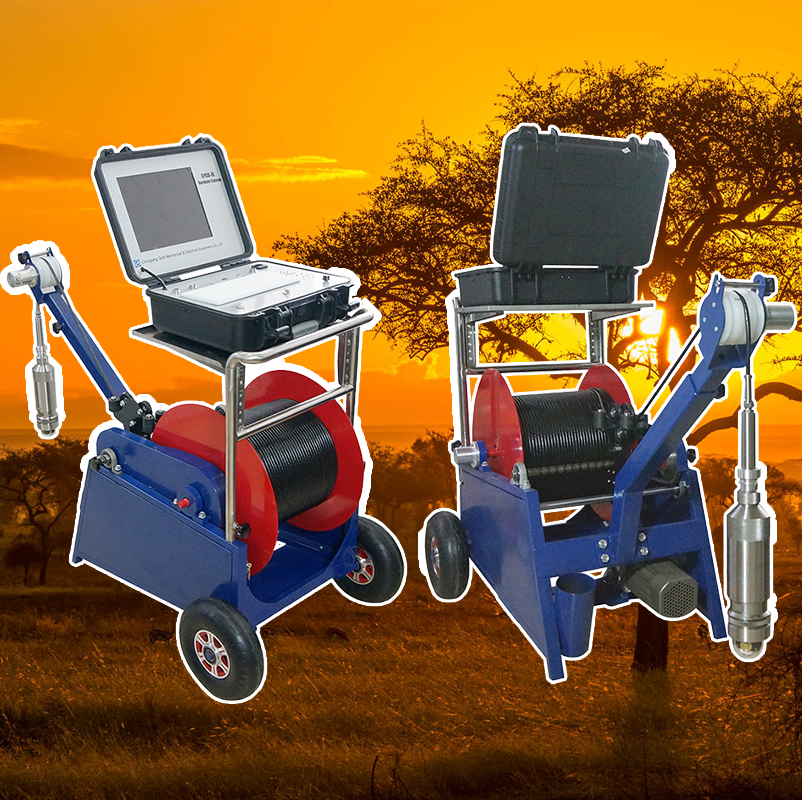
GYGD-IV Ротационная камера для проверки скважин: количественное определение ответственности за подповерхностное установление и предотвращение потерь
Страховщикам на энергетические, водные и горнодобывающие риски нужно больше, чем история страховых претензий.прямые доказательства состояния активовВ этом случае, если вы хотите, чтобы вы могли точно оценивать премии и рекомендовать меры по контролю потерь.GYGD-IV вращающаяся камера для проверки скважинпредоставляетобъективные, повторяемые и проверяемые данные о состояниичто преобразует андеррайтинг от догадок к моделированию рисков.актуарии по имуществу и несчастным случаям, инженеры рисков и специалисты по контролю за потерями, эта камераинструмент количественного определения ответственности.
Оценка риска на основе состояния
Программное обеспечение GYGD-IV включаетМодуль подпискичто преобразует визуальные наблюдения вчисловая оценка рискаПоказатель рассчитывается по шкале от нуля (минимальный риск) до ста (неминуемая неудача).собственный алгоритмкоторый взвешивает факторы:
-
Плотность трещин и максимальная длина(выше для хрупких материалов)
-
Глубина коррозионной ямы и кластеризация(выше для активных ям)
-
Толщина и охват шкала(средний риск снижения потока воды)
-
Остальная открытая площадь экрана(высокий риск для производства песка)
-
Овальность корпуса или глубина вмятины(высокий риск обрушения)
-
Доказательства предыдущих ремонтов(зависит от качества ремонта)
Алгоритм:калиброванные по базам данных исторических сбоевПоказатель риска предоставляет страхователямпоследовательная метрикадля сравнения рисков между различными страхователями.
Оценка резервов для потенциальных потерь
Для скважины с умеренным риском GYGD-IV может оценитьвероятная стоимость неудачиРазрыв с активным распространением указывает на потенциальный коллапс; система оценивает стоимость вылова застрявшего зонда,Удаление поврежденного корпусаСкрин с 40% открытой площадью, но активным масштабированием предполагает постепенное снижение урожайности;Система оценивает стоимость химической очистки плюс потерю продукции во время простояЭто.Оценки убытков, скорректированных по рискупомогать страховщикам создавать достаточные резервы.
Рекомендации по предотвращению потерь
Модуль подписки GYGD-IV генерируетконкретные, приоритетные меры по предотвращению потерьДля скважин с высокой плотностью трещин рекомендуется установить пластырь в течение 90 дней.Для скважины с сильным скалированием, ¢программировать механическую очистку в течение шестидесяти дней.¢ Для скважин с ранней стадией коррозии, ¢установить катодную защиту и повторно проверить через двенадцать месяцев.¢ Андеррайтеры могут сделать покрытие зависимым от выполнения этих действий, создаваяположительная обратная связьснижения риска.
Историческое сравнение с портфелем
Когда GYGD-IV используется в нескольких скважинах в портфеле страхователя, программное обеспечение можетсравнение каждой скважины со средним показателем портфеляС точки зрения среднего риска портфель составляет 45 баллов, а показатель риска 75 баллов.высокорисковый отклонениеНаоборот, портфель с стабильно низкими показателями риска может претендовать на повышение премии или немедленное внимание.скидки на флот. Этот вид портфеля поддерживаетрешения по подписке на уровне счета.
Обмен данными с третьими лицами в целях перестрахования
Для больших рисков, требующих перестрахования, данные GYGD-IV могут бытьанонимные и агрегированныеМодуль андеррайтинга предоставляетСертификат соответствияуказание о том, что сбор данных осуществлялся в соответствии со стандартными протоколами (встроенный скрипт проверки GYGD-IV).уверен в его последовательности и надежности.

Таблица: Спецификации по подписке


 Ваше сообщение должно содержать от 20 до 3000 символов!