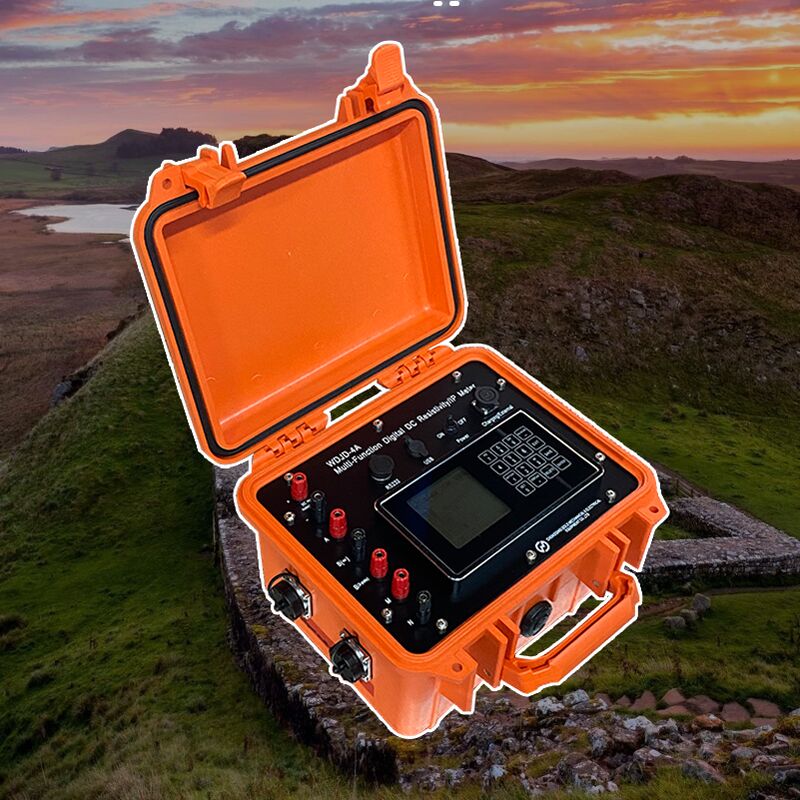
WDJD-4A: एआई-संचालित फॉरवर्ड मॉडलिंग और अनुकूलन योजना के माध्यम से इष्टतम सर्वेक्षण ज्यामिति को स्वचालित करना
भूभौतिकीय प्रतिगमन की गुणवत्ता मौलिक रूप से सर्वेक्षण डिजाइन की गुणवत्ता से सीमित है। एक खराब डिजाइन प्राप्ति ग्रिड महत्वपूर्ण लक्ष्यों को अस्पष्ट कर सकता है, क्षेत्र समय बर्बाद कर सकता है,और साधन की सटीकता के बावजूद अस्पष्ट परिणाम देते हैंWDJD-4A इस मौलिक चुनौती को एकसंज्ञानात्मक सर्वेक्षण डिजाइनर, एक प्रणाली है कि लाभ उठाता हैकृत्रिम बुद्धिमत्ता और स्वचालित भविष्य मॉडलिंगइष्टतम, लक्ष्य-विशिष्ट सर्वेक्षण योजनाएं उत्पन्न करने के लिए। यह स्थिर, अंगूठे के नियम के सर्वेक्षण लेआउट से परे चलता हैगतिशील रूप से अनुकूलित अधिग्रहण ज्यामितिजो कि क्षेत्र के प्रयास को कम करते हुए रुचि की विशिष्ट उपसतह विशेषताओं का पता लगाने और हल करने की संभावना को अधिकतम करते हैं।यह क्षमता उन्नत सर्वेक्षण डिजाइन विशेषज्ञता की शक्ति को प्रत्येक ऑपरेटर के हाथों में रखती है, यह सुनिश्चित करना कि प्रत्येक अभियान सफलता के लिए गणितीय रूप से अनुकूलित योजना के साथ शुरू होता है।
संज्ञानात्मक डिजाइन प्रक्रिया के साथ शुरू होता हैजांच उद्देश्य की परिभाषाएक सहज ज्ञान युक्त इंटरफेस का उपयोग करके, ऑपरेटर लक्ष्य निर्दिष्ट करता हैः "50-80 मीटर की गहराई पर एक संदिग्ध जलीय तह की ज्यामिति का मानचित्रण करें", या "संकीर्ण, खड़ी डुबकी वाले सल्फाइड नसों का पता लगाएं और उन्हें रेखांकित करें।" प्रणाली के एआई इंजन तब भूवैज्ञानिक परिदृश्यों और आगे मॉडल की एक पुस्तकालय का उपयोग करता हैयह हजारों संभावित सर्वेक्षण डिजाइनों का तेजी से अनुकरण करता है, विभिन्न प्रकार के इलेक्ट्रोड सरणी प्रकार, अंतर, लाइन अभिविन्यास,और माप घनत्व और मॉडलिंग शोर स्थितियों में निर्दिष्ट लक्ष्य को हल करने के लिए प्रत्येक डिजाइन की सैद्धांतिक क्षमता का मूल्यांकन करता है. नतीजा एक एकल अनुशंसित डिजाइन नहीं है, बल्कि एकसमाधानों का पेरेटो इष्टतम मोर्चाजो कि रिज़ॉल्यूशन, जांच की गहराई और सर्वेक्षण के समय के बीच व्यापार करता है। ऑपरेटर तब उस डिजाइन का चयन कर सकता है जो परियोजना की प्राथमिकताओं के अनुरूप सबसे अच्छा है,आश्वस्त है कि यह एक गणितीय रूप से इष्टतम दृष्टिकोण का प्रतिनिधित्व करता है.
इस क्षमता से व्यापक परिचालन और तकनीकी लाभ प्राप्त होते हैं।विशेषज्ञ स्तर के सर्वेक्षण डिजाइन को लोकतंत्रीकृत करता है, यह सुनिश्चित करना कि परियोजनाओं को क्षेत्र के कर्मचारियों के अनुभव के विभिन्न स्तरों से वंचित नहीं किया जाता है।यह "मानक" सर्वेक्षण लेआउट के महंगे अनुमानों को समाप्त करता है जो किसी साइट के अद्वितीय भूवैज्ञानिक संदर्भ के लिए खराब हो सकते हैंशायद सबसे महत्वपूर्ण बात यह है कि यह सक्षम बनाता हैक्षेत्र में तेजी से पुनः डिजाइनयदि प्रारंभिक परिणाम अप्रत्याशित भूविज्ञान या एक लक्ष्य को पूर्वानुमानित से अलग गहराई पर प्रकट करते हैं,ऑपरेटर नई जानकारी के साथ संज्ञानात्मक डिजाइनर फिर से चला सकते हैं और मौके पर एक अनुकूलित भरने सर्वेक्षण योजना उत्पन्नयह अनुकूलन क्षमता यह सुनिश्चित करती है कि क्षेत्र समय हमेशा सबसे हालिया भूमिगत समझ द्वारा निर्देशित किया जाता है।WDJD-4A संज्ञानात्मक सर्वेक्षण डिजाइनर इस प्रकार एक स्थिर सर्वेक्षण योजना से सर्वेक्षण योजना को बदल देता है, एक बार की गतिविधि को एकगतिशील, पुनरावर्ती और बुद्धिमत्ता-संचालित प्रक्रिया, यह सुनिश्चित करता है कि एकत्र किए गए डेटा हमेशा पूछे जाने वाले प्रश्नों के लिए अधिकतम जानकारीपूर्ण हों।

संज्ञानात्मक डिजाइन विनिर्देश


 आपका संदेश 20-3,000 अक्षरों के बीच होना चाहिए!