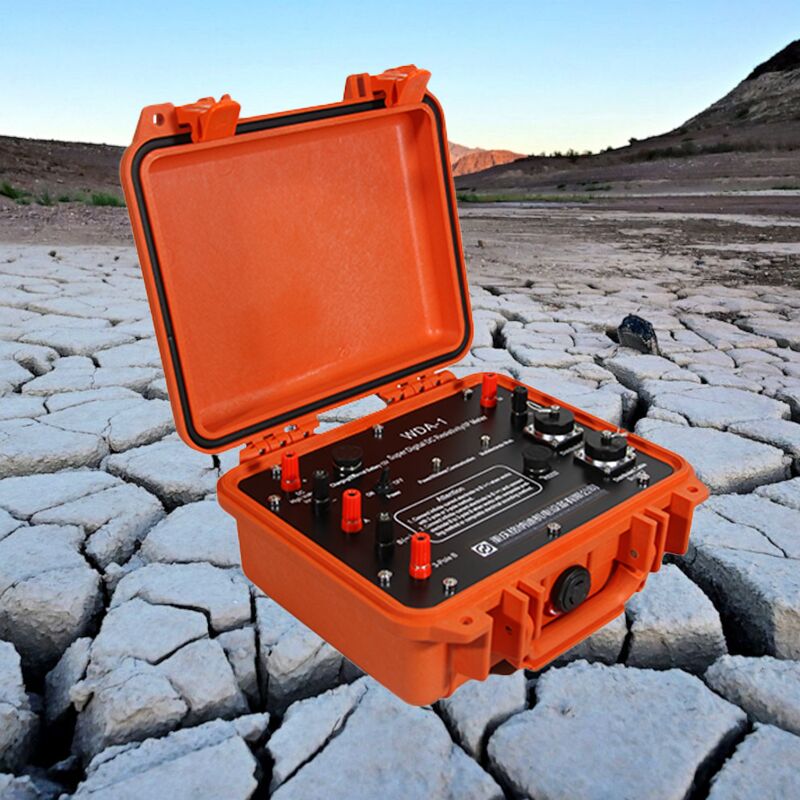
Die globale Ernährungssicherheit in Zeiten der Wasserknappheit erfordert eine Revolution im landwirtschaftlichen Wassermanagement. Der traditionelle Ansatz, gleichmäßige Felder auf der Grundlage durchschnittlicher Bedingungen zu bewässern, verschwendet Wasser, führt zur Auswaschung von Nährstoffen und führt nicht zu einer Optimierung des Ernteertrags. Unsere Plattform für Präzisionslandwirtschaft und Wurzelzonen-Hydrogeophysik begegnet dieser Herausforderung, indem sie Folgendes bietethochauflösende Untergrundbildgebung direkt zum Hoftorund bietet Landwirten die Intelligenz, Wasser und Nährstoffe mit beispielloser Präzision zu verwalten. Dieses System integriertmobile Widerstandskartierung, Bodenfeuchtigkeitsprofilierung und Echtzeit-Datenanalysedie räumliche Variabilität der Bodeneigenschaften, der Wasserspeicherung in der Wurzelzone und der Infiltrationswege über ganze Felder hinweg zu charakterisieren und so zu ermöglichenBewässerung mit variabler Rate, gezieltes Nährstoffmanagement und Früherkennung von Entwässerungs- oder Salzgehaltsproblemendie die Produktivität beeinträchtigen.
Die vor Ort einsetzbare Komponente der Plattform ist agezogenes Widerstandsarrayspeziell für landwirtschaftliche Bedingungen konzipiert. Das leichte Array mit geringem Tiefgang wird mit Geschwindigkeiten von bis zu 10 km/h hinter einem landwirtschaftlichen Fahrzeug (Traktor, ATV oder Nutzfahrzeug) gezogen und erfasst kontinuierliche Widerstandsprofile der Wurzelzone (0–2 Meter Tiefe) und des tieferen Untergrunds (2–5 Meter). Das SystemKontrolle der Untersuchungstiefeermöglicht es dem Bediener, sich auf die Wurzelzone der jeweiligen Kulturpflanze zu konzentrieren und liefert detaillierte Karten der verfügbaren Wasserspeicherkapazität, Tonlinsen, die die Entwässerung behindern, und Sandzonen, die schnell Wasser und Nährstoffe verlieren. Das Array arbeitet durch stehende Stoppeln, Rückstände und mäßige Pflanzenbestände hindurch und ermöglicht Untersuchungen während der Saison, die sich ändernde Bedingungen erfassen, ohne Pflanzen zu schädigen.
Das zentrale Analyseprodukt ist dasKarte der Wurzelzonen-Wasserhaltekapazität (RZWHC)., abgeleitet aus den Widerstandsdaten durch petrophysikalische Transformation, kalibriert auf die lokale Bodentextur. Diese Karte quantifiziert mit einer räumlichen Auflösung von 5–10 Metern das Volumen des pflanzenverfügbaren Wassers, das in der aktiven Wurzelzone gespeichert ist. Bei Bewässerungssystemen mit variabler Rate (zentrale Drehpunkte mit individueller Sprinklersteuerung) generiert die PlattformVerschreibungskartendie die optimale Bewässerungsrate für jeden Standort im Feld festlegen und dabei lokale Unterschiede in der Bodenwasserspeicherung berücksichtigen. Das Ergebnis ist eine Wassereinsparung von 20–40 % im Vergleich zur gleichmäßigen Anwendung, während gleichzeitig der Ertrag erhalten oder gesteigert wird, indem unterbewässerte Zonen eliminiert und eine Überbewässerung reduziert werden, die Nährstoffe unterhalb der Wurzelzone auslaugen.
Die PlattformModul zur Überwachung des Salzgehalts und der EntwässerungErkennt aufkommende Probleme, bevor sie zu irreversiblen Ertragseinbußen führen. Der spezifische Widerstand reagiert stark auf den Salzgehalt des Bodens, wobei leitfähige Signaturen auf erhöhte Salzkonzentrationen hinweisen. Das System unterscheidet zwischen Salzgehalt (gleichmäßige Leitfähigkeit im gesamten Profil) und Wassergehaltsschwankungen (Leitfähigkeitsänderungen mit der Tiefe in Mustern, die den Benetzungsfronten folgen). Zeitrafferaufnahmen, die nach Bewässerungs- oder Regenereignissen wiederholt werden, verfolgen dieBewegung von Salzen durch das Profil, um Bereiche zu identifizieren, in denen die Auslaugung wirksam ist und in denen sich Salze ansammeln. Bei entwässerten Feldern kartiert das System das Muster der Wasserentnahme und erkennt verstopfte oder eingestürzte Fliesen als anormale Trocken- oder Nasszonen. Diese Intelligenz ermöglicht eine gezielte Sanierung – selektiver Fliesenaustausch, tiefe Bodenbearbeitung zum Aufbrechen harter Bodenplatten oder Änderungen in der Bewässerungspraxis –, bevor großflächige Schäden auftreten.

Landwirtschaftliche Bildgebungsplattform: Technische Spezifikationen
Die PlattformMöglichkeit zur Überwachung während der Saisonunterstützt ein adaptives Management, wenn sich die Wachstumsbedingungen ändern. Zu Beginn der Saison erfassen Erhebungen den Wasserzustand des Bodens vor der Pflanzung und dienen als Grundlage für Pflanzentscheidungen und die anfängliche Bewässerungseinrichtung. Untersuchungen in der Zwischensaison identifizieren sich entwickelnden Feuchtigkeitsstress, Entwässerungsprobleme oder Salzansammlungen und ermöglichen Korrekturmaßnahmen, wenn sie der aktuellen Ernte noch zugute kommen können. Umfragen nach der Ernte bewerten die Wirksamkeit des Saisonmanagements und geben Hinweise auf Herbst- und Winterpraktiken (Deckfruchtanbau, tiefe Bodenbearbeitung, Bodenverbesserung). Daskontinuierlicher Verbesserungszyklusbaut von Jahr zu Jahr ein Verständnis für Feldvariabilität auf und verfeinert im Laufe der Zeit Verordnungskarten und Managementstrategien.
Die Datenintegration in bestehende Farmmanagementsysteme erfolgt nahtlos. Die Plattform exportiert Ergebnisse inStandardformate (Shapefile, GeoJSON, CSV)zur Verwendung in wichtiger Software für die Präzisionslandwirtschaft (Operations Center, Climate FieldView, AgLeader SMS). Verordnungskarten können zur sofortigen Implementierung drahtlos an Steuerungen mit variabler Rate übertragen werden. Das cloudbasierte Dashboard bietet ein sicheres, zugängliches Archiv aller Felddaten, auf das vom Büro des Bauernhofs, der Traktorkabine oder einem Smartphone aus zugegriffen werden kann. Echtzeitwarnungen benachrichtigen Landwirte über erkannte Anomalien – plötzliche Benetzung, die auf ein Rohrleck oder einen sich entwickelnden Salzgehalts-Hotspot hinweisen könnte – und ermöglichen so eine sofortige Untersuchung und Reaktion.
Die Plattform wurde für fortschrittliche Landwirte, Agronomen und Pflanzenberater entwickelt und umfasst:Schulung und fortlaufende Unterstützungzugeschnitten auf landwirtschaftliche Betriebe. Außendienstmitarbeiter lernen, das System zu bedienen, Ergebnisse zu interpretieren und Ausgaben in ihren bestehenden Arbeitsablauf zu integrieren. Technischer Support steht während der Vegetationsperiode zur Verfügung, da landwirtschaftliche Entscheidungen zeitkritisch sind. Die Plattform dient somit nicht als einmaliges Umfragetool, sondern alsständiger Geheimdienstpartnerfür die Reise in die Präzisionslandwirtschaft.
Im Wesentlichen bringt die Precision Agriculture and Root Zone Hydrogeophysics Platform die Leistungsfähigkeit der modernen Geophysik auf die Farm und demokratisiert den Zugang zu unterirdischen Informationen, die lange Zeit nur Bergbau- und Grundwasserfachleuten zur Verfügung standen. Indem es die verborgenen Schwankungen in der Wasserspeicherkapazität, der Entwässerung und dem Salzgehalt des Bodens aufdeckt, versetzt es Landwirte in die Lage, ihre wertvollste Ressource – Wasser – mit der Präzision, Effizienz und Weitsicht zu verwalten, die das 21. Jahrhundert erfordert. Es ist nicht nur ein Werkzeug für den Anbau von Nutzpflanzen, sondern auch für den Aufbau einer nachhaltigen landwirtschaftlichen Zukunft.


 Ihre Nachricht muss zwischen 20 und 3.000 Zeichen enthalten!