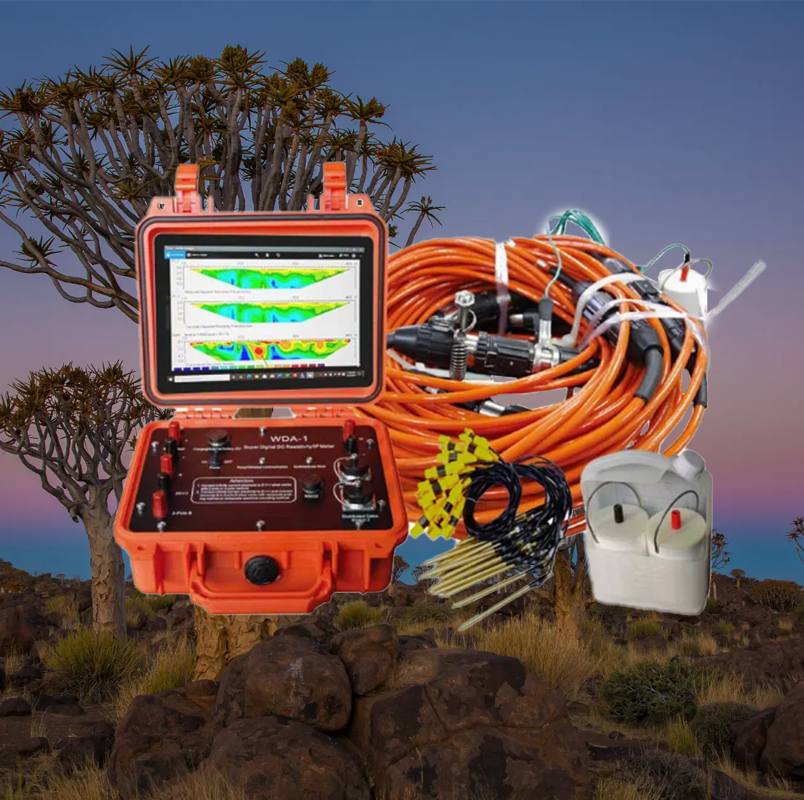
Integridad de la medición desde el contacto del electrodo hasta la sección final
La calidad de la interpretación del subsuelo depende fundamentalmente de la integridad de los datos sin procesar. Esta plataforma implementagestión sistemática de la calidad de los datosen cada etapa de la cadena de adquisición y procesamiento, transformando la evaluación subjetiva de la validez de la medición en métricas objetivas y cuantificables. En lugar de presentar a los geofísicos datos ambiguos que requieren conjeturas sobre la confiabilidad, el sistema proporcionaindicadores de confianzaque distinguen las mediciones confiables de aquellas comprometidas por un mal contacto de los electrodos, ruido cultural o mal funcionamiento del instrumento. Esta sección documenta los mecanismos que permiteninterpretaciones defendiblesadecuado para presentación regulatoria, informes de recursos y certificación de ingeniería.
Tabla de elementos de garantía de calidad de datos

Elprueba automatizada de contacto de electrodosLa rutina funciona antes de tomar cualquier medida, aplicando una señal de prueba de bajo voltaje a cada posición del electrodo y midiendo la resistencia de tierra. Los electrodos con una resistencia superior a cincuenta mil ohmios se marcan para su reinstalación; aquellos entre diez y cincuenta mil reciben indicadores de precaución; aquellos por debajo de diez mil se confirman como buenos. Esta validación previa a la encuesta normalmente identifica del veinte al treinta por ciento de los electrodos que requieren ajuste, evitando la recopilación de datos que luego serían rechazados durante el procesamiento. Los equipos de campo informan que esta característica por sí sola ahorra un promedio de dos horas por día de encuesta al eliminar el tiempo perdido de adquisición en contactos deficientes.
Control de apilamiento dinámicoajusta la duración de la medición basándose en la evaluación del ruido en tiempo real en lugar de en configuraciones de temporizador fijas. El sistema continúa apilando hasta que la desviación estándar calculada cae por debajo de un umbral especificado por el usuario o se alcanza un tiempo máximo de apilamiento. En entornos tranquilos (desierto remoto, bosque profundo), esto produce datos de alta calidad con ciclos de apilamiento mínimos. En entornos ruidosos (cerca de ciudades, líneas eléctricas, operaciones mineras), se activa automáticamente un apilamiento adicional para alcanzar el nivel de calidad requerido. Esteenfoque adaptativogarantiza una confianza constante en los datos en condiciones de campo variables sin necesidad de intervención del operador ni ajuste de parámetros de prueba y error.
Herramientas de caracterización del ruido.proporcionar a los operadores información útil sobre las fuentes de interferencia antes de comenzar el estudio. Un modo de estudio de ruido dedicado mide el campo eléctrico ambiental en cada posición de electrodo en un rango de frecuencia de 0,1 Hz a 10 kHz, identificando fuentes de ruido dominantes. Luego, el sistema recomienda parámetros de medición óptimos (recuento de apilamiento, configuraciones de filtrado, temporización de la forma de onda actual) para mitigar la interferencia identificada. Para un estudio adyacente a una línea de transmisión de energía de cincuenta hercios, el estudio de ruido reveló fuertes componentes fundamentales y de tercer armónico, lo que llevó a una recomendación para la operación de sesenta hercios (evitando armónicos) y filtrado de muesca. Los datos resultantes mostraron una contaminación mínima en comparación con estudios anteriores realizados sin caracterización del ruido.
Redundancia de medicióna través de inyección de corriente directa e inversa proporciona verificación de calidad incorporada. Cada secuencia de medición inyecta corriente en ambas polaridades, y el sistema requiere un acuerdo dentro de una tolerancia específica (normalmente uno por ciento) antes de aceptar la medición. El desacuerdo indica efectos de polarización, inestabilidad del electrodo o mal funcionamiento del instrumento, lo que desencadena una nueva medición automática con parámetros ajustados. Esteprotocolo de medición bipolarha detectado una sutil polarización de electrodos en ambientes salinos que habría producido errores sistemáticos en mediciones unipolares convencionales.
Validación de la curva de caída de IPEmplea ajuste estadístico para distinguir señales de capacidad de carga genuinas de artefactos relacionados con el ruido. El sistema registra cuarenta y ocho puertas de tiempo a lo largo de cada desintegración IP, ajustando los voltajes observados a un modelo de desintegración teórico (Cole-Cole o elemento de fase constante). Los ajustes deficientes (valores altos de chi-cuadrado) desencadenan un registro prolongado o indican que la decadencia medida está dominada por el ruido en lugar de la señal geológica. Los usuarios pueden establecer umbrales de chi-cuadrado que rechazan automáticamente las mediciones contaminadas, garantizando que solo los datos de IP de alta confianza ingresen al flujo de trabajo de procesamiento.
Comprobación de coherencia espacialidentifica valores atípicos de medición en comparación con puntos de datos vecinos en tiempo real. El sistema mantiene una ventana móvil de mediciones recientes, calculando los valores esperados para nuevas mediciones basándose en la interpolación espacial. Las grandes desviaciones desencadenan mediciones de confirmación antes de la aceptación de los datos. Estefiltrado espacial en líneaha detectado errores de conmutación de electrodos, problemas de conexión de cables y características geológicas inesperadas que merecían una investigación adicional. Los equipos de campo informan que esta característica ha impedido completar líneas topográficas enteras con cables mal conectados, ahorrando días de retrabajo.
Grabación completa de metadatoscaptura todos los parámetros que influyen en la calidad de los datos. Para cada punto de medición, el sistema registra: posiciones de los electrodos (coordenadas GPS), resistencias de contacto, recuento de apilamiento logrado, error de medición final, espectro de ruido ambiental, temperatura del instrumento y voltaje de la batería. Estos metadatos acompañan a los datos de medición en el archivo de salida, lo que permite realizar auditorías de calidad posteriores a la encuesta y reprocesar con parámetros refinados. Las presentaciones reglamentarias que requieren procedimientos demostrados de calidad de los datos se benefician de esta documentación completa, ya que los auditores pueden verificar de forma independiente cada aspecto de la adquisición y el procesamiento.
Mapeo de confianza de interpretaciónutiliza las métricas de calidad medidas para producir superposiciones de confianza espacialmente variables en la resistividad final y las secciones IP. Las áreas con excelente calidad de datos (bajo nivel de ruido, buenos contactos, mediciones repetibles) reciben altas calificaciones de confianza; las áreas con calidad marginal reciben calificaciones más bajas. Estecomunicación transparente de incertidumbrepreviene la interpretación excesiva de datos ruidosos y guía la planificación de encuestas de seguimiento. Las compañías mineras que reportan recursos minerales según NI 43-101 han utilizado estos mapas de confianza para justificar la clasificación de recursos inferidos versus indicados, satisfaciendo los requisitos regulatorios para la confiabilidad demostrada de los datos.


 ¡Su mensaje debe tener entre 20 y 3.000 caracteres!